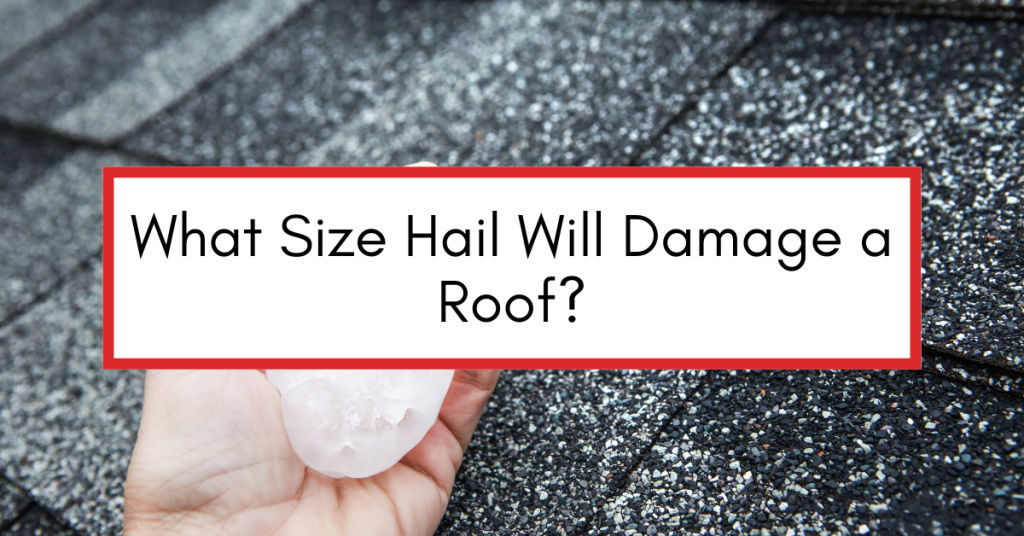
Hail varies widely in size and intensity, and understanding which hail sizes are capable of damaging a roof is crucial for homeowners, insurance professionals, and roofing contractors alike. This knowledge helps in assessing risks, preparing for storms, and making informed decisions about repairs or replacements.
In this article, we’ll explore the relationship between hail size and roof damage, the types of roofing materials most vulnerable to hail, how to identify hail damage, and what steps to take if your roof has been hit.
Understanding Hail Sizes and Their Impact
How Hail Size Is Measured
Hailstones are typically measured by their diameter, often compared to familiar objects for easier visualization. The National Weather Service (NWS) uses common items like peas, marbles, golf balls, and baseballs to describe hail sizes. For example:
- Pea-sized hail: about 0.25 inches in diameter
- Dime-sized hail: about 0.75 inches
- Quarter-sized hail: about 1 inch
- Golf ball-sized hail: about 1.75 inches
- Baseball-sized hail: about 2.75 inches
- Softball-sized hail: about 4.5 inches
While hail can be smaller or larger than these examples, these categories provide a practical framework to understand potential damage. It’s interesting to note that hail formation is a complex process involving powerful updrafts in thunderstorms that carry moisture high into the atmosphere, where temperatures are below freezing. As these water droplets collide with supercooled water, they freeze and accumulate layers of ice, eventually falling to the ground as hailstones when they become too heavy for the updrafts to support.
At What Size Does Hail Damage a Roof?
Not all hail causes damage. Small hailstones, typically less than 1 inch in diameter, rarely cause significant harm to modern roofing materials. However, once hail reaches the size of a quarter (approximately 1 inch) or larger, the risk of damage increases substantially. The impact of hail can be exacerbated by wind, which can drive the stones at higher velocities, increasing their destructive potential.
According to the Insurance Institute for Business & Home Safety (IBHS), hailstones that are 1.5 inches or larger can cause moderate to severe damage to roofs. The severity depends on the hail’s size, density, and velocity when it strikes the roof. For example, a 1.75-inch golf ball-sized hailstone traveling at high speeds can crack or dent shingles, damage gutters, and even break skylights. Additionally, the age and condition of the roof significantly influence its vulnerability; older roofs with pre-existing wear and tear are more susceptible to hail damage.
Hail larger than 2 inches in diameter often results in significant damage, including cracked or missing shingles, exposed underlayment, and compromised roof integrity. Baseball-sized hail (2.75 inches) and above can cause catastrophic damage, often requiring full roof replacement. In some cases, hail can also damage other structures, such as vehicles, windows, and outdoor equipment, leading to costly repairs and insurance claims. Understanding the potential impacts of varying hail sizes is crucial for homeowners to take preventive measures, such as regular roof inspections and timely maintenance, especially in regions prone to severe weather events.
How Different Roofing Materials Respond to Hail
Asphalt Shingles
Asphalt shingles are the most common roofing material in North America, favored for their affordability and ease of installation. However, they are also vulnerable to hail damage, especially from hailstones larger than 1 inch.
Hail impact can cause granule loss on shingles, which reduces their protective layer and exposes the asphalt to UV rays, accelerating deterioration. Larger hail can cause cracks, bruises, or even punctures. While some damage may be cosmetic, it often leads to leaks and structural issues if not repaired promptly. Homeowners should regularly inspect their roofs after hailstorms to identify any signs of damage early on. Additionally, many manufacturers offer warranties that cover hail damage, so understanding the terms can be beneficial for homeowners looking to protect their investment.
Metal Roofs
Metal roofs are generally more resistant to hail damage due to their durability and flexibility. However, large hailstones (2 inches or more) can dent metal panels, affecting the roof’s appearance and potentially its waterproofing if the dents are severe.
Some metal roofs are coated with protective layers that improve hail resistance. Despite this, the noise from hail on metal roofs can be loud, and dents may affect resale value even if they don’t compromise function. Homeowners often mitigate noise by installing insulation or soundproofing materials beneath the metal panels. Furthermore, the longevity of metal roofs can be a significant advantage; many can last 50 years or more with proper maintenance, making them a worthwhile investment despite the initial cost.
Tile and Slate Roofs
Clay or concrete tiles and natural slate roofs are highly durable and can withstand moderate hail impact. However, their brittle nature makes them susceptible to cracking or breaking under large hailstones, especially those over 1.5 inches.
Damaged tiles or slates can lead to water infiltration and damage to the underlying roof structure. Repairing or replacing broken tiles can be costly and time-consuming. Additionally, the weight of tile roofs requires a sturdy structural support system, which can add to installation costs. Despite these challenges, tile roofs are often praised for their aesthetic appeal and energy efficiency, as they can help regulate indoor temperatures. Homeowners should consider regular maintenance checks to ensure that their tile roofs remain in good condition, especially after severe weather events.
Wood Shingles and Shakes
Wood roofing materials can suffer from splitting, cracking, or gouging when hit by hail larger than 1 inch. Additionally, wood is more susceptible to water damage if the protective surface is compromised, which can lead to rot and mold growth.
Beyond hail damage, wood shingles and shakes require regular maintenance, including treatments to prevent insect infestations and fungal growth. This can add to the overall cost of ownership. However, many homeowners are drawn to the natural beauty and insulation properties of wood roofing, which can enhance the character of a home. When considering wood roofing, it’s essential to weigh the aesthetic benefits against the potential for damage and the need for ongoing maintenance, especially in regions prone to severe weather.
Signs of Hail Damage on Roofs
Visual Inspection Tips
After a hailstorm, it’s important to inspect your roof for damage. Some signs to look for include:
- Granule Loss: Small bald spots on asphalt shingles where granules have been knocked off.
- Cracks or Bruises: Look for cracks or dark spots that indicate the shingle’s asphalt mat has been damaged.
- Dents in Metal: Noticeable indentations on metal roofing or gutters.
- Broken or Missing Tiles: Cracked, chipped, or displaced tiles or slates.
- Damaged Flashing: Bent or cracked metal flashing around chimneys, vents, and skylights.
It’s often difficult for untrained eyes to spot hail damage, especially on steep or high roofs. Professional roof inspections are recommended after significant hail events.
Other Indicators of Hail Impact
Besides roof damage, hail can also harm other parts of your home, such as:
- Dented siding and gutters
- Cracked windows or skylights
- Damaged air conditioning units
- Scattered hail debris in the yard
These signs can help confirm that your roof may have been impacted and warrants closer examination.
What to Do If Your Roof Is Damaged by Hail
Contact Your Insurance Company
Most homeowners insurance policies cover hail damage, but it’s important to report the damage promptly. Document the damage with photos and notes, and schedule an insurance adjuster’s inspection. Keep in mind that some policies have deductibles and coverage limits, so understanding your policy is essential.
Hire a Professional Roofing Contractor
Engage a reputable roofing contractor experienced in hail damage assessment and repairs. They can provide a detailed inspection report and estimate for repairs or replacement. Beware of storm chasers — contractors who appear immediately after storms and may offer subpar work or inflate prices.
Consider Roof Repairs vs. Replacement
The extent of hail damage will dictate whether repairs or a full replacement is necessary. Minor granule loss or small cracks may only require patching or shingle replacement. However, extensive damage, especially from large hail (2 inches or more), often necessitates a full roof replacement to restore protection and maintain home value.
Preventive Measures for the Future
After experiencing hail damage, consider upgrading to hail-resistant roofing materials. The IBHS recommends impact-resistant shingles rated Class 4, which have been tested to withstand hailstones up to 2 inches in diameter without significant damage. While these materials may have a higher upfront cost, they can reduce future repair expenses and insurance premiums.
Real-World Examples and Statistics
Hail Damage Costs in the United States
Hailstorms cause billions of dollars in property damage annually in the U.S., with roofing damage being a major contributor. According to the National Oceanic and Atmospheric Administration (NOAA), hail accounts for more than $1 billion in insured losses each year, with roof damage claims making up a significant portion.
States like Texas, Oklahoma, and Colorado are particularly prone to hailstorms, often experiencing hailstones larger than 2 inches. In 2021, a severe hailstorm in Dallas caused over $1.4 billion in insured damages, primarily due to widespread roof damage.
Case Study: Golf Ball-Sized Hailstorm
In a 2019 hailstorm in Denver, Colorado, hailstones averaging golf ball size (1.75 inches) caused extensive damage to thousands of homes. Asphalt shingles showed granule loss and cracking, metal roofs suffered dents, and tile roofs had numerous broken pieces. Insurance claims surged, and many homeowners opted for roof replacements rather than repairs due to the severity of the damage.
Conclusion: Protecting Your Roof from Hail Damage
Understanding what size hail can damage a roof is essential for homeowners living in hail-prone areas. Generally, hailstones larger than 1 inch pose a risk, with damage severity increasing dramatically as hail size grows beyond 1.5 to 2 inches. Roofing material type plays a significant role in how well a roof withstands hail impacts, and regular inspections after storms are critical to catch damage early.
At AIC Roofing and Construction, we’ve replaced over 10,000 Central Kentucky roofs. If your roof needs to be repaired or replaced, contact us today to schedule your free roof inspection!
Default insurance Lexington Louisville Richmond roof replacement